15 Signs You Are Healing Emotionally

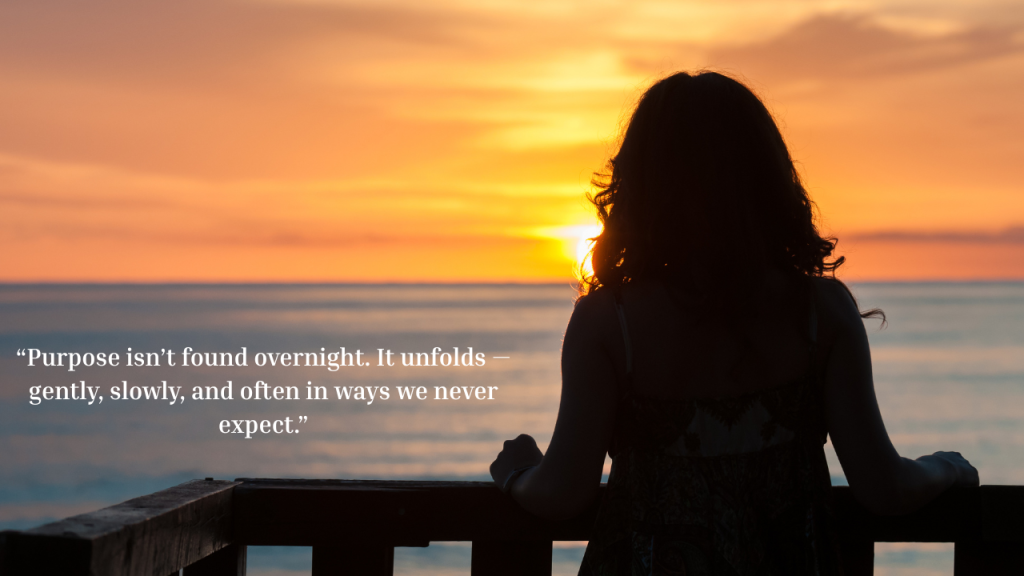
Emotional healing is one of the most beautiful and powerful transformations you’ll ever experience. It’s not about waking up one morning and suddenly feeling “fixed.” Instead, it’s about subtle, steady changes that show you’re becoming more in tune with yourself — more peaceful, grounded, and self-aware.
When you’ve carried pain, heartbreak, or trauma for a long time, the idea of healing might feel distant. But if you’re reading this, chances are you’re already on that path. Healing often starts quietly — not with fireworks, but with small shifts in how you think, feel, and respond.
What Emotional Healing Really Means
Emotional healing isn’t about forgetting the past or pretending everything’s fine. It’s about acknowledging your wounds, understanding them, and allowing yourself to grow beyond them. Healing is the process of returning to your authentic self — the version of you before life’s pain and disappointments built emotional walls.
The Truth About Emotional Wounds
We all carry emotional scars — from heartbreak, loss, childhood pain, or even self-betrayal. These wounds can shape our beliefs: “I’m not enough,” “People always leave,” “I can’t trust anyone.”
Healing means gently questioning those beliefs and realizing they were formed in survival, not truth.
When you start to heal, you no longer let your past define your future. You begin to understand that what happened to you doesn’t determine who you are.
Why Healing Isn’t Linear
You don’t heal in a straight line. Some days you’ll feel light and free; others, the old pain resurfaces. That’s normal. Healing often looks like two steps forward, one step back. The key is not to judge your progress.
Every tear, every journal entry, every boundary you set — it all counts.
If you’re still showing up for yourself, even on the hard days, you are healing emotionally more than you realize.
Why Emotional Healing Takes Time
We live in a world obsessed with instant results — instant happiness, instant success, instant peace. But emotional healing doesn’t work that way. It’s not a race; it’s a deep inner renovation.
Breaking the Myth of “Quick Fixes”
Healing emotionally isn’t about replacing pain with positivity overnight. It’s about understanding the message behind the pain. Your emotions are teachers, not enemies.
When you take the time to sit with discomfort, to listen to what it’s trying to show you, you move closer to genuine peace instead of surface-level relief.
The Stages of Emotional Recovery
You might notice yourself going through these stages:
- Acknowledgment – realizing something needs healing.
- Expression – allowing yourself to feel and release pain.
- Understanding – gaining clarity on why you felt that way.
- Acceptance – letting go of resistance and self-blame.
- Growth – creating new patterns and beliefs.
There’s no specific timeline — your healing unfolds at the pace your soul is ready for. The beauty is in the becoming.
15 Clear Signs You Are Healing Emotionally
Healing isn’t always obvious. Sometimes, the signs are so subtle you might overlook them. But the truth is, every time you choose peace over chaos, understanding over judgment, you’re growing. Let’s explore the unmistakable signs you are healing emotionally.

1. You’re More Aware of Your Emotions
You no longer run from your feelings — you observe them. When sadness hits, you don’t suppress it or pretend to be fine. You sit with it, breathe through it, and ask, “What is this emotion trying to teach me?”
This awareness is one of the first and strongest signs of emotional healing.
Being emotionally aware means you’re no longer reactive; you’re reflective. You understand that emotions are temporary and that you have control over how you respond.
You’ve stopped labeling emotions as “good” or “bad.” Instead, you see them as guides, helping you align with your truth.
2. You Respond Instead of React
In the past, maybe anger or anxiety used to control your behavior. Now, when someone says something hurtful or a situation feels tense, you pause before responding. That pause is growth.
You take a breath, assess the situation, and choose a calm, grounded response instead of reacting impulsively. This doesn’t mean you suppress emotions; it means you’ve developed emotional maturity.
Reacting is driven by pain; responding is rooted in peace. When you find yourself choosing peace more often, it’s a clear sign you’re healing emotionally.
3. You Set Healthy Boundaries
Setting boundaries used to make you feel guilty, but now you understand they’re essential for your well-being. You no longer say “yes” when your heart means “no.”
You’ve realized that protecting your energy doesn’t make you selfish — it makes you self-aware.
Boundaries show that you respect yourself enough to choose peace over people-pleasing. You stop explaining or overjustifying your needs; you simply stand by them with quiet confidence.
If you’ve begun creating boundaries that honor your emotional space, you’re well on your healing journey.
4. You Feel Comfortable Being Alone
In the past, silence might have felt unbearable. Being alone could trigger old wounds — the fear of being unloved, unseen, or unworthy. But now, solitude feels sacred. You no longer crave constant distraction or validation from others to feel whole.
You’ve discovered peace in your own presence. Whether you’re journaling, sipping coffee, or walking in nature, you enjoy the quiet connection with yourself. You’ve stopped running from loneliness because you’ve learned it’s not emptiness — it’s space for self-discovery.
This shift from “I hate being alone” to “I’m at peace with myself” is one of the most profound signs you are healing emotionally. You’ve learned to find home within your own soul.
5. You Forgive Yourself and Others
Forgiveness doesn’t mean excusing someone’s behavior or forgetting what they did. It means releasing the emotional burden that keeps you tied to the past. You no longer replay old memories to punish yourself or others.
You recognize that holding onto anger, guilt, or resentment only poisons your peace. So you choose to let go — not for them, but for you.
Self-forgiveness is just as powerful. You stop judging your past mistakes and start viewing them as lessons. You accept that you did the best you could with what you knew then. That compassion for yourself shows deep emotional maturity and healing.
6. You Let Go of Resentment
Letting go doesn’t happen in a single moment — it’s a daily choice. Every time you stop rehearsing the hurt or trying to rewrite the story, you reclaim your power.
You realize that resentment keeps you chained to pain. When you stop needing closure from others and instead create closure within yourself, you free your heart.
If you find yourself feeling lighter, more detached from painful memories, and less reactive to reminders of the past, it’s a sure sign you are healing emotionally.
You’re learning that peace isn’t found in rewriting the past — it’s in releasing it.
7. You Don’t Seek Validation as Much
Healing means your worth is no longer dependent on someone else’s approval. You’ve stopped chasing likes, compliments, or constant reassurance to feel valuable.
You now validate yourself — through your actions, integrity, and self-awareness. You know who you are and what you bring to the table.
That doesn’t mean you’ve become closed off to feedback or connection — it simply means your self-esteem is anchored within. You no longer hand others the power to decide how you feel about yourself.
8. You Embrace Your Imperfections
You used to strive for perfection — the flawless body, the perfect relationship, the unshakeable confidence. But now you understand that wholeness isn’t about perfection; it’s about authenticity.
You’ve stopped criticizing yourself for being human. You no longer apologize for your sensitivity, your scars, or your vulnerability. Instead, you wear them as proof of your growth.
Healing teaches you that real beauty comes from authenticity, not performance. The day you stop hiding parts of yourself to be loved — that’s the day you start truly healing emotionally.
9. You Find Joy in Small Things
When you’re healing, happiness doesn’t need to be grand. You start noticing beauty in simple moments — the warmth of sunlight, the rhythm of your breath, laughter with friends, or the quiet comfort of home.
Your nervous system begins to calm. You start feeling safe enough to experience joy again.
This is one of the gentlest and sweetest signs you are healing emotionally: you begin to smile for no reason. You catch yourself feeling grateful, even for little things. That’s when you know your heart is mending.
10. You Speak to Yourself Kindly
Pay attention to your inner dialogue. If your self-talk has shifted from criticism to compassion, that’s healing in motion. You used to call yourself names for failing, but now you remind yourself, “It’s okay. I’m still learning.”
You treat yourself like someone you care about. You comfort yourself in hard moments instead of attacking yourself with shame.
Healing doesn’t erase negative thoughts entirely — it helps you create space between them and your truth. You start choosing gentleness over judgment, and that changes everything.
11. You’re Honest About Your Needs
You no longer pretend you’re okay when you’re not. You’ve learned that being vulnerable doesn’t make you weak — it makes you real. You express your needs and feelings without guilt or fear of rejection.
You say things like, “I need time to rest,” or “I don’t have the energy for that right now,” and you mean it.
Being honest about what you need is a radical act of self-love. It shows you’ve outgrown people-pleasing and learned how to honor your emotional truth.
12. You Feel Less Triggered
Triggers used to send you spiraling — now, they feel like gentle nudges instead of explosions. When something stirs an old wound, you pause, breathe, and observe instead of reacting.
That doesn’t mean the pain is gone forever, but you’ve learned how to soothe yourself instead of being consumed by it.
This emotional regulation is one of the clearest signs you are healing emotionally — it means your nervous system is stabilizing and your inner child feels safer within you.
13. You’re Hopeful About the Future
When you start believing again — in love, in purpose, in your own potential — you’re healing. You no longer see your life through the lens of fear or disappointment.
You begin to trust that better days are coming, not because life is suddenly perfect, but because you now know you can handle whatever comes.
Hope is the heartbeat of healing. When it returns, it’s your soul reminding you: You made it through the dark. You’re ready for light again.
14. You Attract Healthier Relationships
Your energy has shifted, and it shows in the people you draw in. You’re no longer repeating old relationship patterns — the ones born from pain, insecurity, or codependency.
Instead, you attract people who mirror your growth. You’re drawn to mutual respect, empathy, and genuine connection.
You no longer tolerate emotional chaos or one-sided dynamics. That’s not arrogance — it’s emotional clarity. You finally know your worth and refuse to accept less than peace.
15. You Trust Life Again
Perhaps the most powerful of all signs you are healing emotionally is this: you begin to trust life again.
You stop trying to control everything. You understand that what’s meant for you won’t pass you by, and what’s not meant for you will fall away.
There’s a deep sense of surrender — not giving up, but giving in to flow. You’ve learned to find safety not in certainty, but in faith. You trust yourself, and by extension, you trust life.
That trust is freedom.
How to Support Your Emotional Healing Journey
Healing doesn’t stop once you recognize these signs — it deepens through daily care.
- Journal regularly. Write about your feelings without judgment.
- Practice mindfulness. Observe your emotions instead of fighting them.
- Prioritize rest. Healing energy can’t thrive in burnout.
- Nourish your body. Eat, move, and rest in ways that make you feel alive.
- Seek therapy or support. Having guidance accelerates clarity and self-compassion.
- Surround yourself with calm, loving energy. Healing environments nurture inner peace.
You don’t need to do everything perfectly — consistency matters more than intensity.
Common Setbacks During Emotional Healing (And How to Handle Them)

It’s normal to have emotional relapses. You may feel triggered by old wounds or question whether you’ve made progress. When that happens, remind yourself: progress isn’t erased by bad days.
Healing looks like feeling pain and still choosing not to give up. It looks like crying, resting, and starting again.
If you find yourself spiraling, ground yourself with affirmations like:
“This is temporary.”
“I am safe now.”
“I’ve come so far, and I’m still growing.”
Why Relapse Doesn’t Mean You’re Failing
A relapse simply means you’ve found another layer that needs love. You’re revisiting the same wound, but from a wiser perspective.
Each time you face pain consciously, you rewrite the story a little more. Be gentle with yourself — you’re not back at square one; you’re deepening your healing.
The Role of Forgiveness in Emotional Healing
Forgiveness is one of the hardest yet most liberating steps in emotional healing. It doesn’t mean saying what happened was okay. It means you’re no longer letting that pain dictate your peace.
When you forgive, you take your power back. You stop living as a victim of your story and start living as the author of your future.
Forgiveness isn’t about them — it’s about you. It’s about freeing your heart from the constant weight of bitterness and regret.
The truth is, forgiving doesn’t always happen once. Sometimes, you’ll have to do it over and over — every time your mind replays the hurt. But each time you choose release instead of resentment, you heal a little more.
Forgiveness is also about yourself. You might need to forgive the version of you who stayed too long, who didn’t know better, or who kept trying to fix others.
When you do, you open the door to self-compassion — and that’s where real emotional healing begins.
When You Know You’ve Truly Healed
There isn’t a single moment when you wake up and think, “I’m healed.” It’s more like a gentle awareness that life feels different now — softer, lighter, more peaceful.
You know you’ve healed when you can remember the past without it hurting the same way.
When the things that once broke you now feel like lessons rather than punishments.
When your heart feels safe to love again — not because you’ve forgotten the pain, but because you’ve learned from it.
You know you’re healing when peace no longer feels foreign.
When you’re no longer chasing happiness but becoming it.
And when you finally realize that everything that once shattered you was also shaping you.
That realization — that you didn’t just survive, but grew — is one of the most powerful signs you are healing emotionally.
How to Continue Growing After Healing
Healing isn’t the end — it’s a new beginning. Once you’ve rebuilt your inner world, you start creating from a place of authenticity rather than survival.
Here are a few ways to keep growing after emotional healing:
- Keep reflecting. Healing doesn’t mean the end of self-awareness. Keep journaling, meditating, or simply checking in with yourself.
- Stay connected to purpose. Ask yourself, “What brings me peace? What makes me feel alive?” Then follow those things.
- Be open to love again. Whether romantic or platonic, allow yourself to connect deeply without fear.
- Set new goals. Healing creates space for fresh dreams. Don’t be afraid to outgrow your old ones.
- Give back. Sharing your journey can inspire others who are still in the dark. That’s how healing turns into legacy.
Your growth becomes exponential when you start using your healed energy to create, connect, and uplift others.
Conclusion: You Are Becoming Whole Again
If you recognize many of these signs you are healing emotionally, take a moment to celebrate that. Healing often feels invisible until one day, you realize you’re breathing easier, smiling more, and reacting less.
You’re no longer controlled by your past — you’ve learned from it. You’re not the same person who once felt broken. You’re stronger, wiser, softer, and more in tune with yourself than ever before.
Remember: Healing is not about erasing pain; it’s about reclaiming peace. It’s not about perfection; it’s about progress.
So even if your journey feels slow, even if you still have days that hurt — keep going. Every boundary, every tear, every step forward is proof that you are healing emotionally and becoming whole again.
FAQs
1. What are the first signs of emotional healing?
The earliest signs include feeling more aware of your emotions, finding peace in solitude, and reacting less to triggers. You begin to sense inner calm and clarity, even when challenges arise.
2. How long does emotional healing take?
Healing has no fixed timeline — it’s deeply personal. It depends on your experiences, support system, and willingness to feel and process emotions. For some, it takes months; for others, years. The key is patience and self-compassion.
3. Can therapy speed up emotional healing?
Yes. Therapy provides tools, guidance, and safe space to process emotions. A professional can help you uncover patterns and reframe negative beliefs faster than trying to do it alone.
4. What happens when you start healing emotionally?
You’ll notice subtle changes: better sleep, improved boundaries, emotional awareness, and a stronger sense of peace. You stop seeking validation and start finding safety within yourself.
5. How do I know I’ve truly healed?
You know you’ve truly healed when the past no longer defines your present, and you can look back with gratitude instead of pain. Peace feels natural. Love feels safe again. And you trust life, no matter what comes.
Please don’t forget to leave a review.