How to Forgive Yourself and Move On: 10 Transformative Steps Toward Inner Peace
Forgiving others is hard enough — but forgiving yourself? That can feel almost impossible.
We often carry the heavy weight of our own mistakes long after others have moved on. Whether it’s something you said, something you did, or something you didn’t do, the guilt can echo for years.
But here’s the truth: you cannot truly heal or grow until you forgive yourself.

Learning how to forgive yourself and move on isn’t about pretending nothing happened — it’s about accepting your humanity and choosing compassion over punishment. It’s understanding that holding onto guilt doesn’t make you a better person; it just keeps you stuck in pain.
Let’s explore how to let go of self-blame, embrace grace, and finally give yourself permission to move forward.
Why Forgiving Yourself Feels So Hard(how to forgive yourself and move on )
When you’ve hurt someone — or even yourself — it’s natural to feel regret. But guilt can easily turn into a cage.
Many of us believe that if we forgive ourselves, we’re somehow minimizing the mistake. That’s not true. Forgiveness doesn’t erase responsibility; it simply ends self-punishment.
There’s also the fear of what forgiveness means — “If I let this go, am I saying it was okay?” No. You’re saying: I’m choosing to heal instead of suffer.
Forgiving yourself means you accept that your past actions don’t define your worth. They only reflect who you were — not who you are becoming.
The Psychological Weight of Guilt
Guilt can be a powerful teacher, but it’s not meant to be a lifelong companion.
Unchecked guilt can lead to anxiety, depression, insomnia, and self-destructive behavior. It keeps you mentally replaying the same moment, wishing you could rewrite it.
According to psychology, self-forgiveness involves four key elements:
- Responsibility – owning what happened.
- Remorse – feeling genuine regret.
- Restoration – making amends or learning from it.
- Renewal – releasing shame and moving forward.
Skipping any of these can keep you stuck. But when you move through them consciously, forgiveness becomes not just possible — but transformational.
1. Accept That You’re Human
Before you can forgive yourself, you have to accept one fundamental truth: you are human. Humans make mistakes. They make decisions from fear, pain, or ignorance — and then they learn, grow, and do better.
Self-forgiveness starts when you stop expecting yourself to be perfect.
Ask yourself:
- Would I speak to someone I love the way I speak to myself?
- Am I willing to treat myself with the same compassion I’d give a friend?
When you understand that imperfection is part of the human experience, guilt begins to soften. You see your mistake as an event, not an identity.
2. Acknowledge What Happened (Without Denial or Excuse)
You can’t forgive yourself for something you’re still denying. True healing requires radical honesty.
Write down what happened — not to shame yourself, but to bring clarity. Describe how you felt, what you regret, and what you’ve learned.
Avoid phrases like “It wasn’t that bad” or “They overreacted.” Own your truth. Accountability is not self-condemnation — it’s the foundation of integrity.
When you face your past without running from it, you reclaim your power.
3. Separate Guilt From Shame
There’s a major difference between guilt and shame.
- Guilt says: “I did something bad.”
- Shame says: “I am bad.”
Guilt can motivate change, but shame destroys your sense of self.
To forgive yourself and move on, you must recognize that one action — or even a series of actions — doesn’t define who you are.
You are not your worst day. You are a complex, evolving soul capable of growth and redemption.
Healing begins when you stop punishing yourself for being human.
4. Take Responsibility Without Self-Cruelty
Forgiveness doesn’t mean avoiding accountability — it means approaching it with compassion.
Ask yourself:
- What part of this situation was within my control?
- What can I learn from it moving forward?
If you hurt someone, make amends where appropriate. Apologize sincerely, not to earn forgiveness, but to express growth. If you can’t reach them, write a letter you’ll never send.
Taking responsibility empowers you — it’s an act of courage, not shame.
5. Learn the Lesson the Pain Came to Teach
Every painful experience carries a message. If you can uncover that message, you transform guilt into wisdom.
Maybe the mistake taught you to speak up sooner. Maybe it revealed what you truly value. Maybe it reminded you that you’re capable of hurting others — and therefore capable of choosing differently next time.
When you extract the lesson, you no longer need to replay the regret. The pain has served its purpose.
6. Release the Need for Punishment
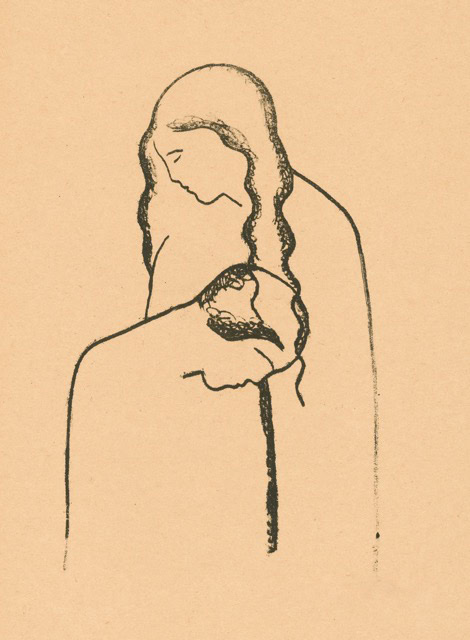
You might think holding onto guilt is noble — as if suffering proves you’ve changed. But punishing yourself doesn’t fix the past; it only drains your present.
Imagine carrying a backpack full of stones labeled regret, guilt, self-blame. Every step becomes heavier. Forgiveness is the act of putting that backpack down.
You don’t earn peace by suffering — you earn it by accepting, learning, and releasing.
7. Practice Radical Self-Compassion
Self-compassion is the bridge between guilt and peace. It’s the voice inside that says, “I understand why you did that. You were hurting. You didn’t know better.”
Try this simple exercise:
- Place your hand over your heart.
- Take a deep breath.
- Say to yourself: “I am doing my best. I forgive myself for the mistakes I made while learning.”
The more you practice this, the more natural it becomes. Eventually, your inner critic softens, and your inner healer speaks louder.
8. Understand That Growth Doesn’t Mean Forgetting
Many people resist forgiveness because they confuse it with forgetting.
You might think, “If I forgive myself, I’ll let my guard down and repeat the same mistake.” But true forgiveness doesn’t erase memory — it changes your relationship to it.
You’ll still remember what happened, but it will no longer control your emotions. The memory becomes wisdom, not a wound.
When you forgive yourself and move on, you acknowledge your past as a chapter, not the whole book. You honor your evolution instead of clinging to who you were.
Growth doesn’t mean pretending it never happened — it means living differently because it did.
9. Let Go of Others’ Judgments
Sometimes, the hardest part of forgiving yourself isn’t your own guilt — it’s other people’s opinions.
Maybe someone keeps reminding you of what you did, or maybe you fear that others haven’t moved on.
But your healing cannot depend on their acceptance. People project their own unhealed pain and perspectives. You don’t need universal approval to reclaim your peace.
When you forgive yourself, some people may misunderstand or even resist your growth. That’s okay. You’re not healing for them — you’re healing for you.
Remember: no one has the authority to define your worth but you.
10. Make Peace With the Past and Reclaim Your Power
Moving on means you stop identifying with the version of you that made the mistake.
You no longer introduce yourself as “the one who failed,” “the one who hurt someone,” or “the one who messed everything up.”
You reclaim your identity as someone who learned, evolved, and took ownership.
You may never get to rewrite the past, but you can redefine what it means to you. You can decide that it was the turning point — the moment you chose awareness over avoidance, healing over shame.
That’s how forgiveness becomes empowerment.
How to Actually Move On After Forgiving Yourself

Forgiveness is the emotional process; moving on is the practical one. Once you’ve released the guilt, it’s time to rebuild your life from a place of peace.
Here’s how:
- Recommit to your values. Let your actions reflect what you’ve learned.
- Set healthy boundaries. Avoid patterns or situations that might trigger old behavior.
- Create a daily self-care routine. Journaling, meditation, and mindful rest help you stay connected to your inner calm.
- Surround yourself with supportive people. Healing thrives in environments that see your growth, not your past.
- Focus on contribution. Turn your lessons into light — help others who are where you once were.
Moving on isn’t about running from the past; it’s about walking forward with wisdom.
When You Struggle to Forgive Yourself
Even with the best intentions, self-forgiveness doesn’t always come easily. You may still feel haunted by guilt or fear.
Here’s what to remember when you’re struggling:
- Healing is nonlinear. Some days, you’ll feel free. Others, the guilt returns. That’s normal — don’t interpret it as failure.
- Therapy helps. A counselor can help you unpack layers of shame and self-blame.
- Time matters. Sometimes the only thing you can do is keep showing up with compassion until forgiveness finally takes root.
You don’t need to force it. Trust that your willingness to heal is already enough.
The Spiritual Side of Forgiving Yourself
On a spiritual level, self-forgiveness is an act of surrender.
It’s you saying to the universe, “I release the weight of my past so I can live fully in the present.”
When you hold onto guilt, your energy stays anchored in the past. When you forgive, you create space for new experiences, relationships, and peace to flow in.
Spiritually, forgiveness is alignment. It’s returning to the truth that you are not your mistakes — you are a soul having a human experience. Every error is a lesson guiding you toward wholeness.
When you embrace this truth, your healing becomes sacred.
How to Practice Daily Self-Forgiveness
Forgiveness isn’t a one-time act; it’s a daily choice.
Here are simple ways to keep forgiving yourself in everyday life:
- Start each day fresh. When you wake up, say, “Today, I begin again.”
- Catch negative self-talk. Replace “I can’t believe I did that” with “I’m learning and growing.”
- Keep a forgiveness journal. Write letters to yourself — even unsent apologies to your own heart.
- Use affirmations. Say:
- “I forgive myself for what I didn’t know before.”
- “I am free to move forward with peace.”
- “My past no longer defines my worth.”
- Meditate on compassion. Visualize sending love to the part of you that made mistakes.
Small moments of grace practiced daily create lasting freedom.
The Connection Between Self-Forgiveness and Healing
You can’t heal what you keep condemning.
Self-forgiveness is the foundation of emotional recovery. It allows you to move from punishment to peace, from shame to self-acceptance.
When you finally stop fighting yourself, your energy shifts. You become open to love, creativity, joy, and new beginnings.
Many people notice that once they forgive themselves, their relationships improve, their anxiety lessens, and their body feels lighter. That’s because emotional peace ripples through every area of your life.
Forgiveness doesn’t erase the past — it redeems it.
What Happens After You Move On
When you truly forgive yourself and move on, you’ll notice:
- Peace replaces overthinking.
- You sleep better and breathe deeper.
- You stop seeking validation from others.
- You make choices that honor your values.
- You feel free — not perfect, but free.
You start living from self-love instead of self-blame. And that shift changes everything.
Forgiving yourself isn’t just about the past — it’s about your future. It’s about giving yourself permission to grow, love, and live fully again.
Conclusion: You Deserve to Be at Peace
The hardest person to forgive is often yourself. But no matter what you’ve done or failed to do, you still deserve peace.
You’ve carried the burden long enough. The past doesn’t need another apology — it needs release.
So take a deep breath. Acknowledge your mistakes. Learn from them. Then say to yourself:
“I forgive you. I release you. I’m ready to move on.”
This is where healing begins — not when you forget what happened, but when you stop punishing yourself for it.
You are not your past. You are the love, awareness, and strength that grew from it.
FAQs
1. Why is it so hard to forgive yourself?
Because guilt feels like control — as if holding onto it prevents future pain. But in truth, guilt only keeps you trapped in the past. Forgiveness sets you free.
2. Can you forgive yourself without making amends?
Yes, though making amends can help. If you can’t directly fix the situation, commit to doing better. Growth is the greatest apology.
3. How long does it take to forgive yourself and move on?
here’s no timeline. It depends on the depth of the wound, your willingness to reflect, and how much compassion you give yourself.
4. What if others don’t forgive me?
Their forgiveness isn’t required for your healing. You can release yourself even if others choose not to.
5. Does forgiving yourself mean you’re weak?
Not at all. It means you’re brave enough to face yourself with honesty and love — and that’s the strongest thing anyone can do.
Please don’t forget to leave a review.